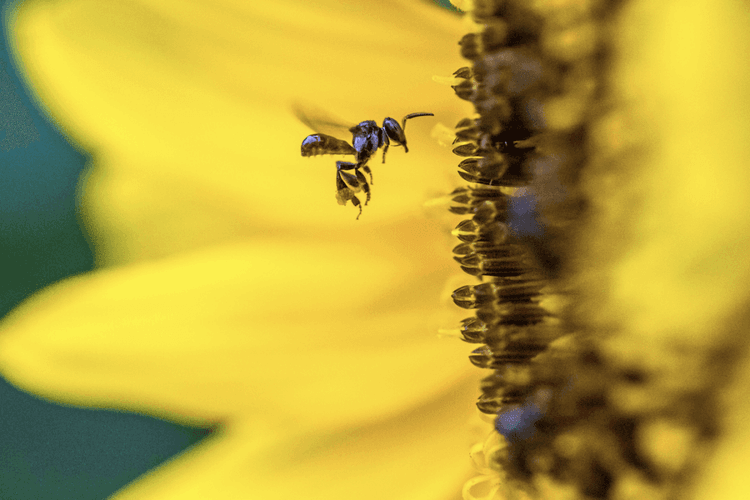
Stingless bees from the Amazon have become the first insects anywhere in the world to be granted legal rights, in a breakthrough that supporters hope will inspire similar protections for bees across the globe. Two Peruvian regions passed ordinances giving these ancient pollinators the right to exist and flourish, to maintain healthy populations, to live in habitats free from pollution, and even to be legally represented in cases of threat or harm. Biologist Rosa Vásquez Espinoza spent years traveling into the Amazon to work with Indigenous peoples who have cultivated these gentle bees. The planet’s oldest bee species are responsible for pollinating more than 80 percent of Amazon flora including cacao, coffee, and avocados, but they face deadly threats from climate change, deforestation, pesticides, and competition from aggressive Africanised honeybees nicknamed “killer bees.”
Espinoza heard repeated reports from Indigenous community members that stingless bees were becoming harder to find, with searches that once took 30 minutes now taking hours, and her chemical analysis revealed pesticide traces in their honey despite being kept far from industrial agriculture. The ordinances passed in Satipo and Nauta municipalities will require policies for the bees’ survival including habitat restoration, strict pesticide regulation, and climate change mitigation, with precedents that have no equivalent worldwide. A global petition calling for Peru to make the law nationwide has reached more than 386,000 signatures, and groups in Bolivia, the Netherlands, and the US are already expressing strong interest in following the municipalities’ examples. For the Indigenous Asháninka and Kukama-Kukamiria peoples, the stingless bees hold deep cultural and spiritual meaning, with Apu Cesar Ramos saying the bees have existed since time immemorial and reflect their coexistence with the rainforest.