
Closer To Unlocking The DNA Of The Most Brilliant Person Who Ever Lived
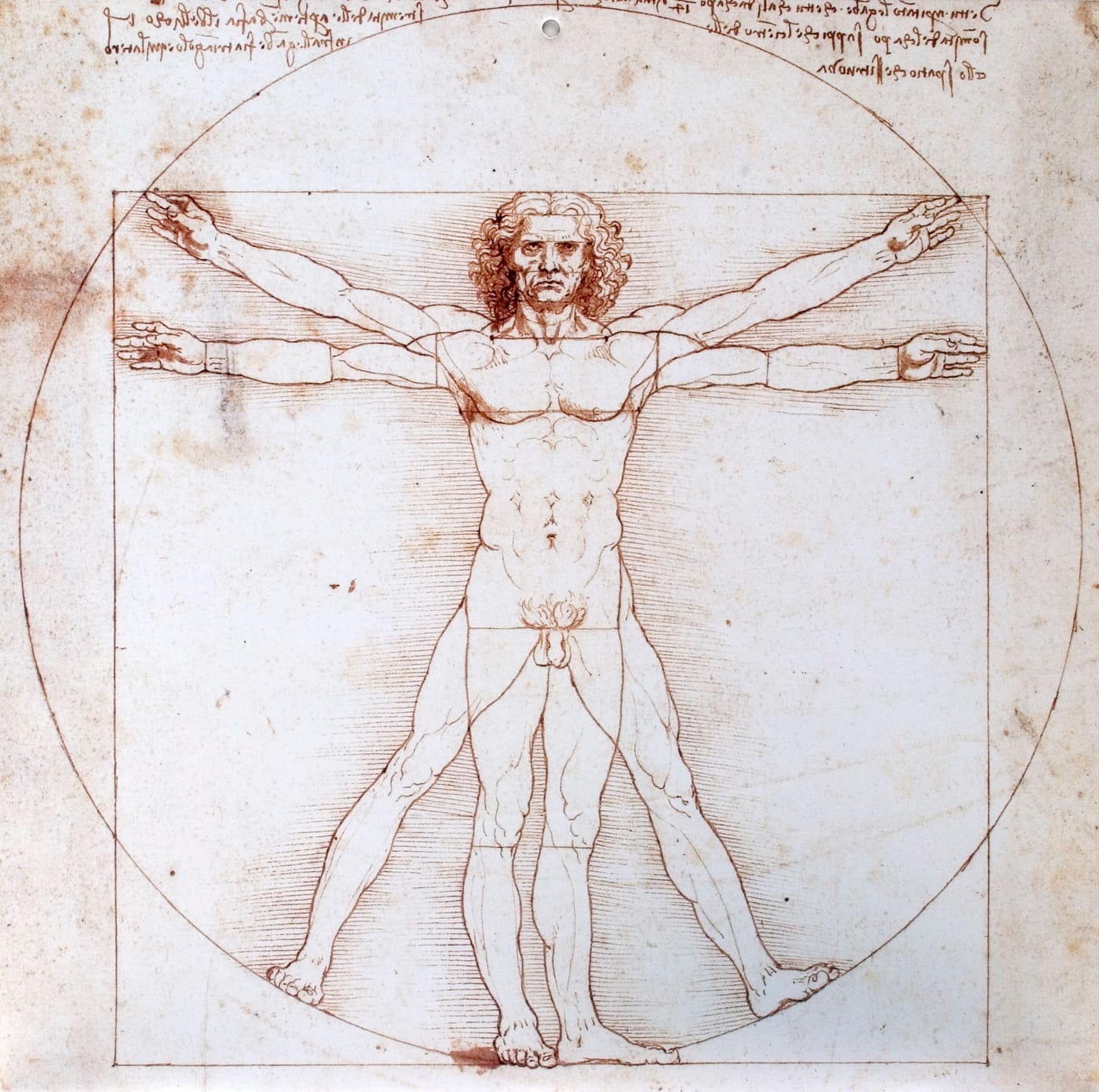
Scientists are closer than ever to reconstructing the DNA of Leonardo da Vinci, after a 30-year research project mapped his family tree across 21 generations, identified 15 living male descendants through an unbroken paternal line, and confirmed through genetic testing that shared Y chromosome segments trace back at least 15 generations within the da Vinci family. The effort, led by researchers at the Leonardo Da Vinci Heritage Association and coordinated through The Rockefeller University in New York, produced a genealogy of more than 400 individuals stretching back to 1331, and DNA analysis of six living descendants confirmed that a continuous male lineage connecting them to Leonardo's father has survived to the present day. Archaeological excavations now underway at a da Vinci family tomb at the Church of Santa Croce in Vinci have recovered bone fragments, one radiocarbon dated to the era of Leonardo's relatives, and preliminary paleogenomic testing has confirmed the individual was male. If the Y chromosome from those remains matches the living descendants' profile, it would open the path to analyzing biological traces left by Leonardo himself on manuscripts and artworks.
Researchers hope that reconstructing Leonardo's DNA could reveal the biological basis of his extraordinary visual perception, his ambidexterity, and possibly even what caused his death at 67. The director of the project at The Rockefeller University said that even a single fingerprint on a page could contain enough cells to sequence, and that 21st-century biology is rapidly moving the boundary between what once seemed unknowable and what is simply not yet known. The study also shed new light on Leonardo's grandfather, who turns out to have been a traveling merchant operating between Spain and Morocco rather than a simple farmer, and on the property disputes between Leonardo and his half-brothers that shaped the last decades of his life. The research was published alongside a new book compiling three decades of findings about the man widely considered the greatest polymath in human history.
Source:https://www.sciencedaily.com/releases/2026/05/260504074826.htm














