
Archaeologists Discovered A Lost Maya City Hidden In The Mexican Jungle For Over 1,000 Years.
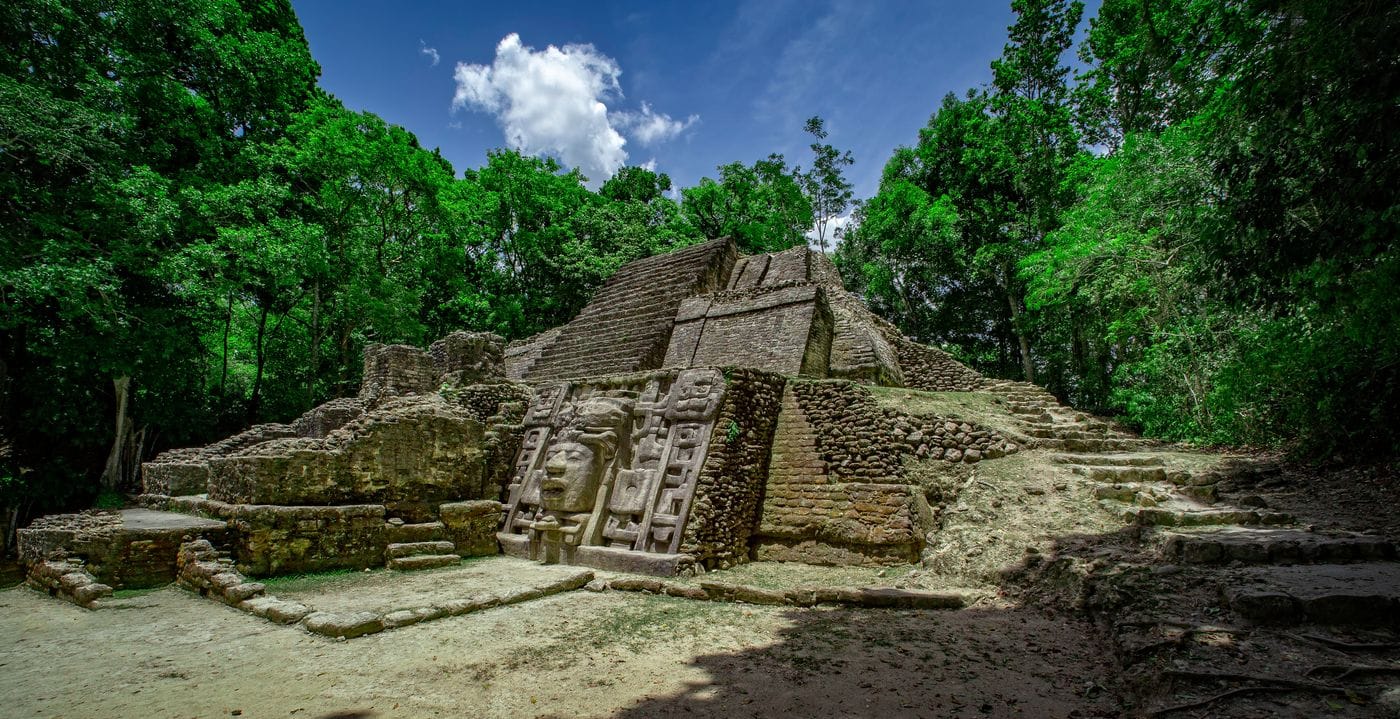
Deep in the Calakmul Biosphere Reserve in Campeche, Mexico, a team of archaeologists hacked through three miles of dense jungle with machetes to reach a city that no logging trail, no road, and no previous expedition had ever found. The city, now named Minanbé, a combination of Yucatec Mayan words meaning "there is no road," is the first fully intact, seemingly unlooted ancient Maya site that excavation leader Ivan Šprajc's team has found in three years. First identified through aerial LiDAR scanning, the site spans roughly 40 acres with urban plazas surrounded by palaces, religious buildings, terraces, and water channels. Its tallest structure is a temple pyramid standing more than 40 feet high, built in the Rio Bec architectural style popular during the Late Classic period between 600 and 900 C.E., when the Maya Lowlands were home to between 9 and 11 million people. Researchers found 14 stelae and altars, including one with perfectly preserved uneroded carved symbols, the first of its kind the team has ever encountered.
The carvings have already yielded extraordinary detail. One stela depicts a figure decapitating another with a knife or axe and is carved with the date 849 C.E., placing it near the period just before the Maya civilization in the Lowlands collapsed. A rectangular altar shows a ruler in a feathered headdress with bracelets and necklaces, and carries a calendrical element suggesting it was carved in the late seventh century, making it the oldest monument at the site. Researchers have sent hundreds of photographs to epigraphist Octavio Esparza Olguín for further study. "It is such a reward when you find a new site," Šprajc said. "It's tough work, but it's dead romantic."














