
New York City Launched A Plan To Turn Itself Into A Forest, It Starts With 7 Million Trees
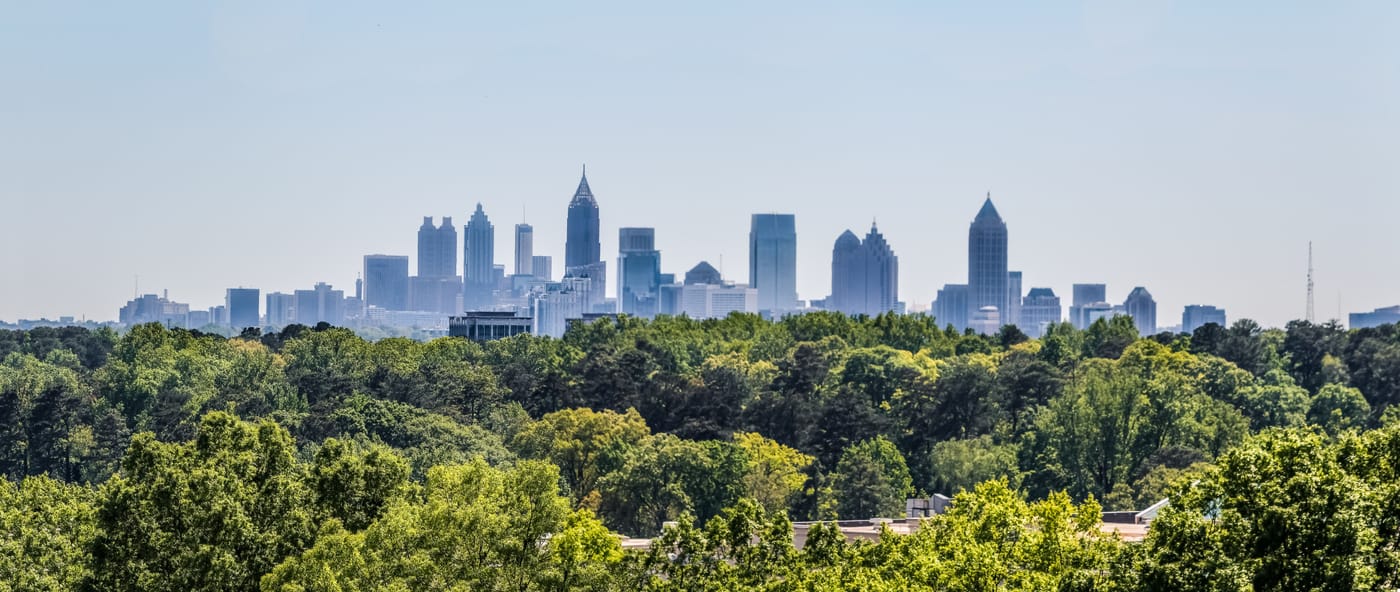
New York City has released its first-ever Urban Forest Plan, a sweeping long-term strategy to expand the city's tree canopy from its current coverage of roughly 22 percent of the city's surface area to 30 percent by 2040, adding millions of new trees across all five boroughs while protecting and caring for the approximately seven million trees that are already there. The plan was developed by urban design firm WXY with input from more than 7,000 New Yorkers across every borough, and its architects noted that a tree is one of the rare forms of infrastructure that does not depreciate over time but grows more valuable with every passing year, cooling more sidewalks, absorbing more stormwater, and storing more carbon as it matures. Mayor Zohran Mamdani said New York has always been defined by the dreams it dares to build together, and that the city is now planting those dreams in the soil itself. The plan prioritizes new plantings in historically underserved neighborhoods that are most vulnerable to the urban heat island effect, where summer temperatures can run several degrees hotter than in leafier, wealthier areas.
The city's three-pronged approach focuses on protecting the trees that already exist, planting new ones on public and private land alike, and engaging more New Yorkers directly in the work of caring for and growing the urban forest over time. Most of the recent gains in canopy coverage have come from existing mature trees growing larger rather than from new plantings, which means the plan's emphasis on protecting and maintaining what is already there is just as important as the headline planting goals. If the city reaches its 30 percent target, the benefits would be substantial: cooler streets during extreme heat events, improved air quality, reduced stormwater flooding during heavy rain, and a measurably different quality of life in neighborhoods that currently have the fewest trees and feel the heat most severely. A Brooklyn resident and community association president who has spent years advocating for more trees in Red Hook put the case simply: trees are important for shade, for storm absorption, and for healing, and they naturally bring stress levels down.
Source:https://www.nyc.gov/content/climate/pages/news/urban-forest-plan-pr














