
Scientists Found 'Little Lab Zombies' Alive For 3 Years Without A Body
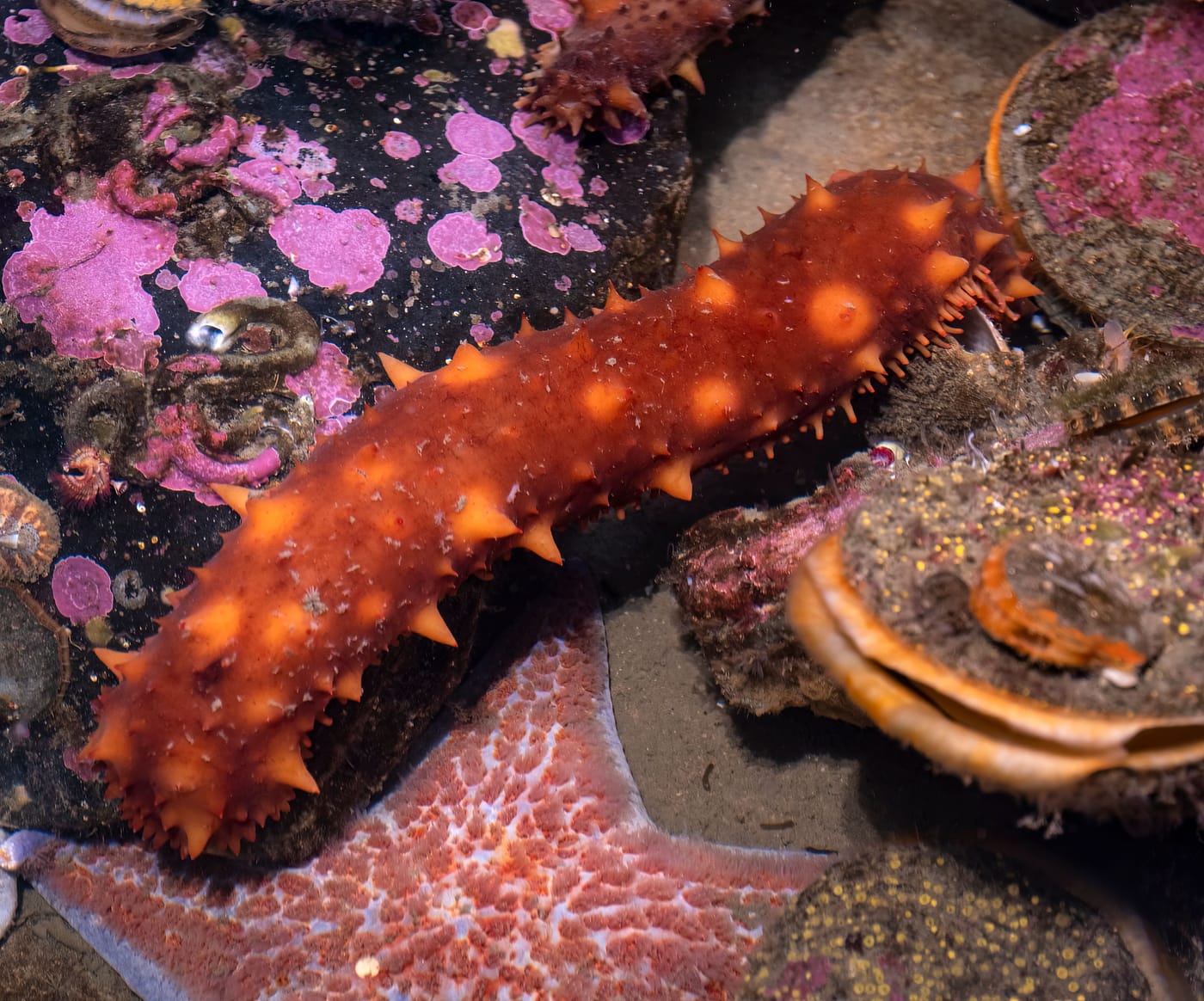
Researchers studying a species of sea cucumber called Psolus fabricii removed small pieces of its tube feet, placed them in a tank of flowing seawater, and have watched them survive, show signs of biological activity, and refuse to die for more than three years, prompting the lead researcher to lovingly refer to the chunks of tissue as her little lab zombies. The study, published in Science Advances, describes tissue that sits in what the researchers call a biological gray zone: it is not an animal, it has no mouth, no gut, and cannot reproduce, but it also shows immune activity, cell division, tissue reorganization, and appears to absorb amino acids dissolved in the water as a form of nutrition, all hallmarks of living systems. It is not dead. It is not quite alive in any conventional sense. It simply persists, and nobody yet knows why or for how long. Lead researcher Sara Jobson said her team has seen no signs whatsoever that the tissue is degrading or dying, and that the question of whether it counts as alive or dead is one she genuinely cannot answer.
Sea cucumbers are already among the most biologically remarkable animals on the ocean floor, known for regenerative abilities so extreme that some species can be split in half and each half will grow back what it is missing. The P. fabricii variety involved in this study appears to extend that regenerative logic beyond the body itself, with severed tissue maintaining biological complexity and apparent vitality independent of the organism it came from, as if the cells never received the signal that they had been removed. Scientists outside the study have urged caution about interpreting the finding as true immortality, noting that further research into whether the tissue's telomeres, the protective caps on chromosomes that shorten with age, are holding steady will be needed before any such conclusion can be drawn. But the philosophical implications alone are striking enough to have drawn significant attention: if a complex biological structure can be removed from an animal, persist for years showing signs of life, and show no indication of stopping, the question of what exactly separates the living from the dead becomes considerably more complicated than biology textbooks currently suggest.














