
A Nevada Solar Farm Left The Desert Soil Intact And Something Beautiful Started Growing Beneath The Panels
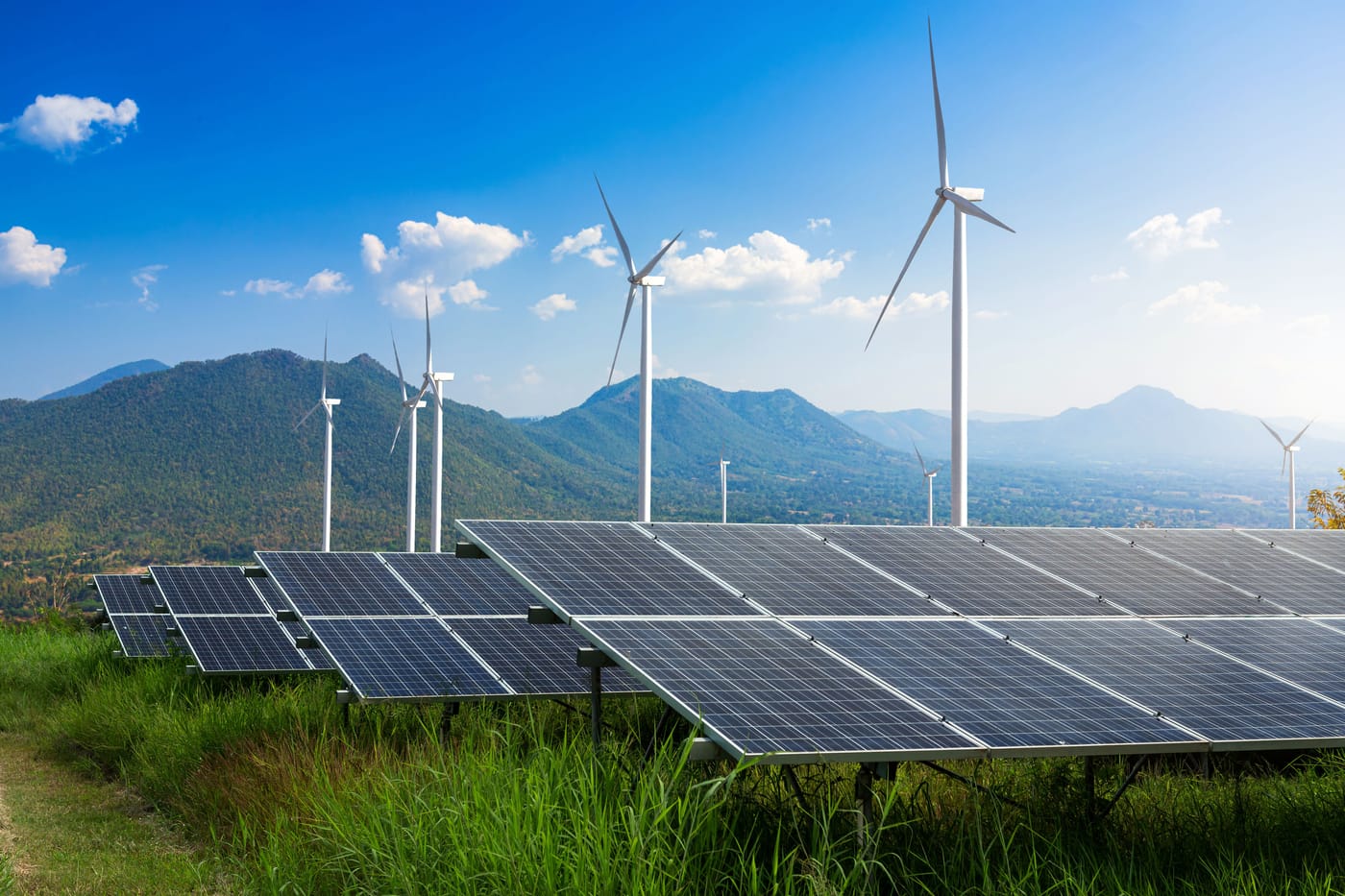
When developers built the Gemini Solar Project in the Mojave Desert outside Las Vegas, most people assumed the story would follow the familiar pattern of large-scale industrial development: land scraped flat, native habitat displaced, and ecological cost accepted as the price of clean energy. Instead, developers made an unusual decision: rather than stripping the desert down to bare earth, they left much of the native soil undisturbed, preserving the dormant seed bank of native plants buried just beneath the surface. What happened next surprised even the researchers who came back to study it. A rare desert plant called threecorner milkvetch, which had been documented only 12 times at the site before construction began in 2018, was counted 93 times two years after the solar panels went up, with the on-site plants larger and more robust than those at a nearby undisturbed site used for comparison.
The research, led by ecologist Tiffany Pereira of the Desert Research Institute and published in Frontiers in Ecology and Evolution, found that the plant's seeds had not only survived construction but germinated and thrived, and Pereira noted that seedlings of many other species were beginning to emerge as well, describing the survival of the seed bank as phenomenal. The technique demonstrated at Gemini belongs to a growing approach called ecovoltaics, in which solar facilities are designed from the start with native ecosystems in mind, sometimes seeding the soil with native grasses and wildflowers to attract pollinators, birds, and other wildlife between and beneath the rows of panels. Pereira acknowledged that tradeoffs remain, as very few of the milkvetch plants were found growing in the shaded area directly under the panels, suggesting space between rows may be limiting in the long run. But the broader finding, that careful construction can allow rare desert species to not just survive a large solar project but actually recover in its presence, is being described as meaningful evidence that clean energy and ecological health do not have to be in conflict.
Source:https://www.ecoportal.net/en/creating-solar-plant-america-behaving-unexpected-own-life/17497/














