
The World Held Its First Conference Specifically Designed To End Fossil Fuels
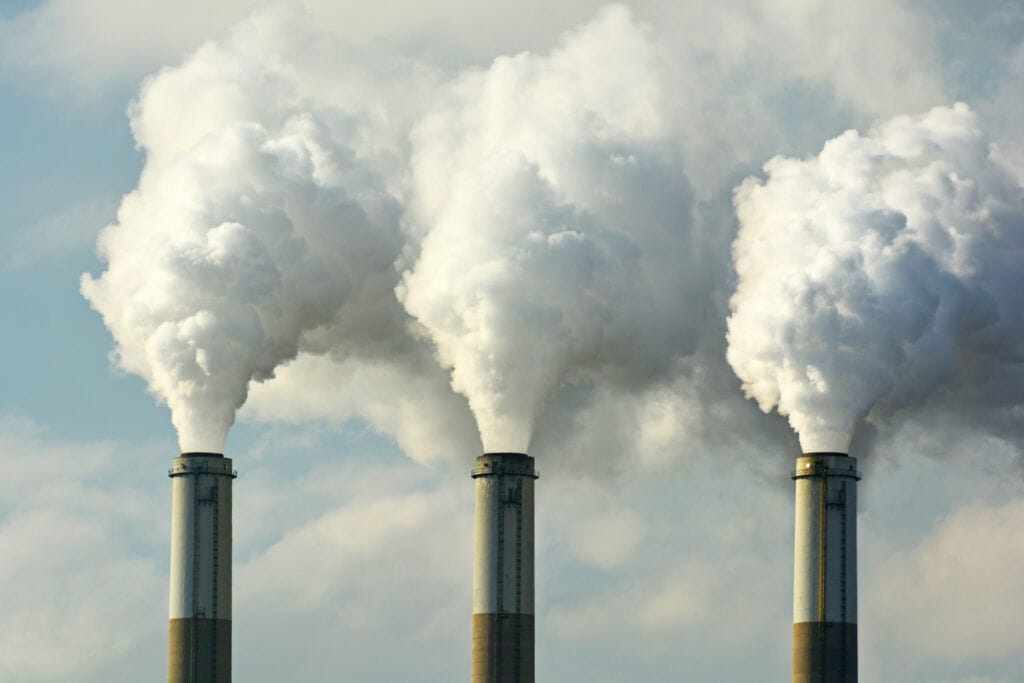
For three decades, international climate talks have focused almost entirely on managing emissions while largely avoiding a direct conversation about the source of those emissions: the ongoing production of coal, oil, and gas. That changed in late April when more than 60 nations gathered in Santa Marta, Colombia for the First International Conference on Transitioning Away from Fossil Fuels, the first gathering in diplomatic history dedicated specifically not to debating whether the world needs to move beyond fossil fuels, but how. Co-hosted by Colombia and the Netherlands, the conference brought together countries representing more than half of global GDP and roughly a fifth of global fossil fuel production, including major producers such as Canada, Norway, Nigeria, Angola, Mexico, and Brazil, alongside climate-vulnerable small island nations whose existence depends on the outcome of the transition. The conference opened against the backdrop of what the International Energy Agency called the largest oil supply disruption in history, triggered by the ongoing conflict in Iran and disruption around the Strait of Hormuz.
The chair of the Fossil Fuel Non-Proliferation Treaty Initiative described the gathering as a coalition of the ambitious and said its purpose was to unstick the conversation on fossil fuels in a way that formal UN climate processes have repeatedly failed to do, with COP30 in 2025 ending without a plan despite 80 countries supporting a phaseout. Participants worked across sessions covering supply-side policy, methane, just transition financing, and the debt-fossil fuel trap that leaves developing nations borrowing at rates that make short-term oil investment cheaper than renewable alternatives. As a concrete next step, Tuvalu and Ireland announced they will co-host a second conference on the Pacific island of Tuvalu, a nation that faces disappearing beneath rising seas. The chair of the Fossil Fuel Treaty Initiative said the significance of the moment was not lost on anyone in the room: once countries that produce fossil fuels begin formally discussing how to leave them behind, she said, markets hear something different from climate rhetoric. They hear transition risk becoming transition policy.














