
Nature

Recent Content

One Winner Could Win A Year Of Pizza

October 18, 2026

One Winner Could Win A Year Of Pizza

Brazil Just Ended The Six-Day Workweek

October 18, 2026

Brazil Just Ended The Six-Day Workweek

Logo
Terms and ConditionsDo Not Sell or Share My Personal InformationPrivacy PolicyPrivacy NoticeAccessibility NoticeUnsubscribe
Copyright © 2026 Happy News
logo
  • Happy Mindset
  • Happy Health
  • Animal Wonders
  • Happy News
  • About Us
  • Subscribe!
  • Happy Mindset
  • Happy Health
  • Animal Wonders
  • Happy News
  • About Us
  • Subscribe!
  • ​

We Finally Know What Causes Deja Vu
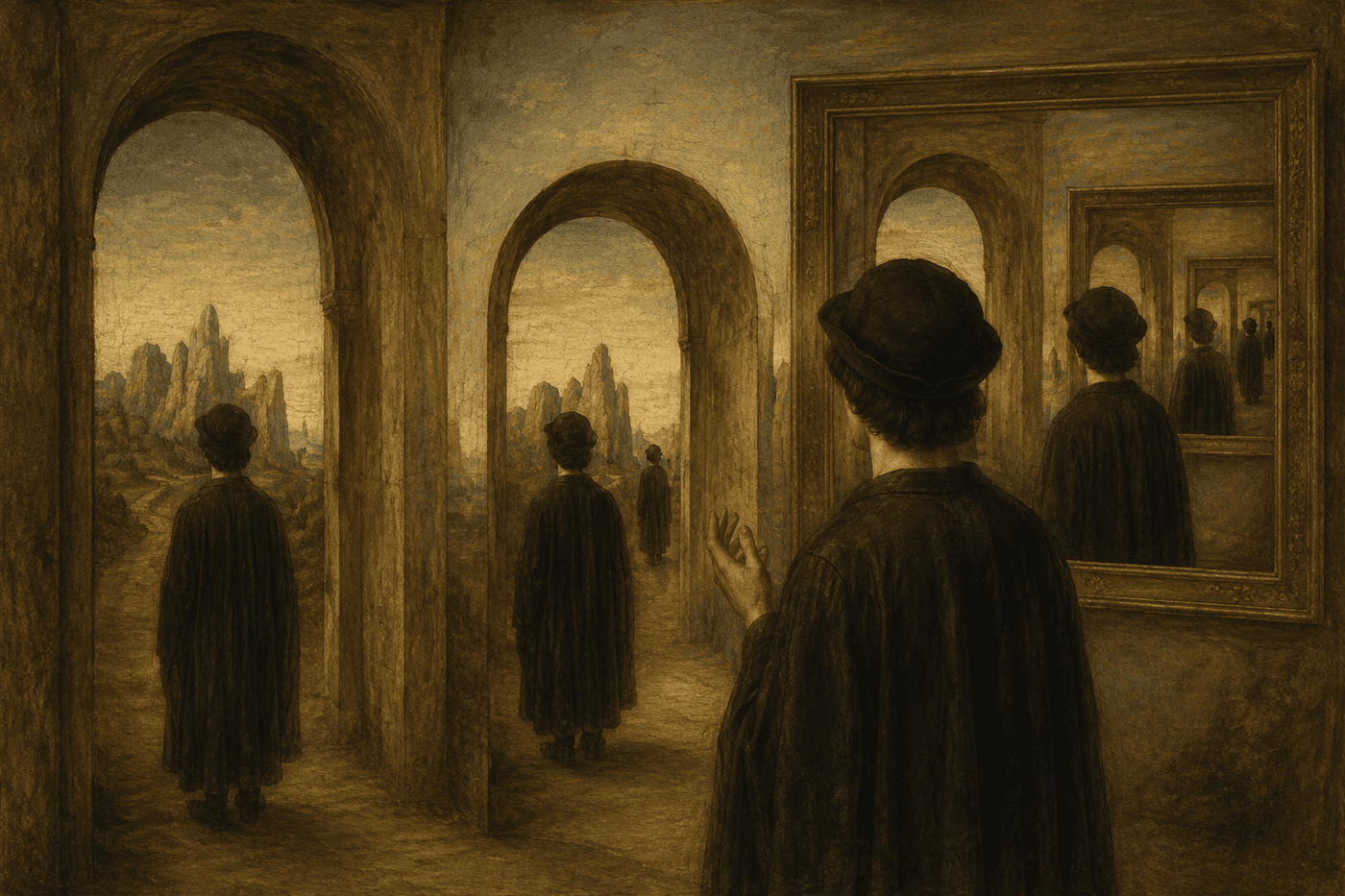
Brain scan deja vu anterior cingulate cortex conflict monitoring memory research University St Andrews 2026

Scientists have finally figured out what is actually happening in your brain during deja vu. A new study in the journal Memory is the first to capture brain scans of healthy volunteers during deja vu, and the findings flip the popular explanation on its head. For decades deja vu was assumed to be a memory glitch, a misfiring that confuses something new for something familiar. Research from Dr. Akira O'Connor at the University of St Andrews tells a different story. Rather than a malfunction, deja vu appears to be the brain's conflict-monitoring system doing exactly what it is supposed to do. When the sense of false familiarity clashes with the knowledge that an experience is genuinely new, the brain flags the contradiction. The anterior cingulate cortex, a region that catches competing signals and flags that something needs review, lit up at precisely those moments. Strikingly, the more certain people were that an experience was new, the more likely they were to report deja vu.

The findings also explain a long-standing puzzle: why deja vu decreases with age rather than increasing. If it were a memory error, older and less reliable brains should experience it more. But if it is the frontal conflict-checking system at work, the decline makes sense, since those systems naturally weaken with age. The research also sheds light on deja vecu, a condition linked to dementia where people become convinced they have already lived through events. In healthy brains the reality check wins. In deja vecu it does not. Deja vu, it turns out, is not your brain slipping. It may be your brain catching itself in the act.


Source:https://www.earth.com/news/scientists-discover-what-happens-in-the-brain-during-disorienting-deja-vu-events/

Related Content

10 August 2026

Underwater Bubble Curtains Are Stopping River Plastic

10 August 2026

City Builds Underground Tunnels Just For Salamanders

08 August 2026

Jaguar Spotted In Arizona 17 Times This Year

08 August 2026

Sea Turtle Nests Breaks Records

07 August 2026

California Produced More Than Half Its Electricity From Solar

06 August 2026

Mountain Lions Are Making Roads Safer

05 August 2026

MIT Created A Yarn Made From Milk Bottles

04 August 2026

Engineering Students Built A Solar-Powered Ambulance

18 July 2026

How India Used Color Psychology When Building Highways

16 July 2026

A California Garden Displayed Two Corpse Flowers At Once

These Squirrels Ate Better Than Most PEOPLE On Thanksgiving

11 July 2026

This Tiny Cold Squirrel Could Change Medicine

10 July 2026

Scotland Made It A Criminal Offence To Own A Glue Trap

05 July 2026

Scientists Discovered Earth Has Three Times More Insect Species Than We Thought

03 July 2026

New Law Penalizing Shein And Fast Fashion

02 July 2026

Australia Gives Every Household Three Free Hours Of Electricity A Day












