The World's First Octopus Farm Has Been Cancelled After A 5-Year Fight
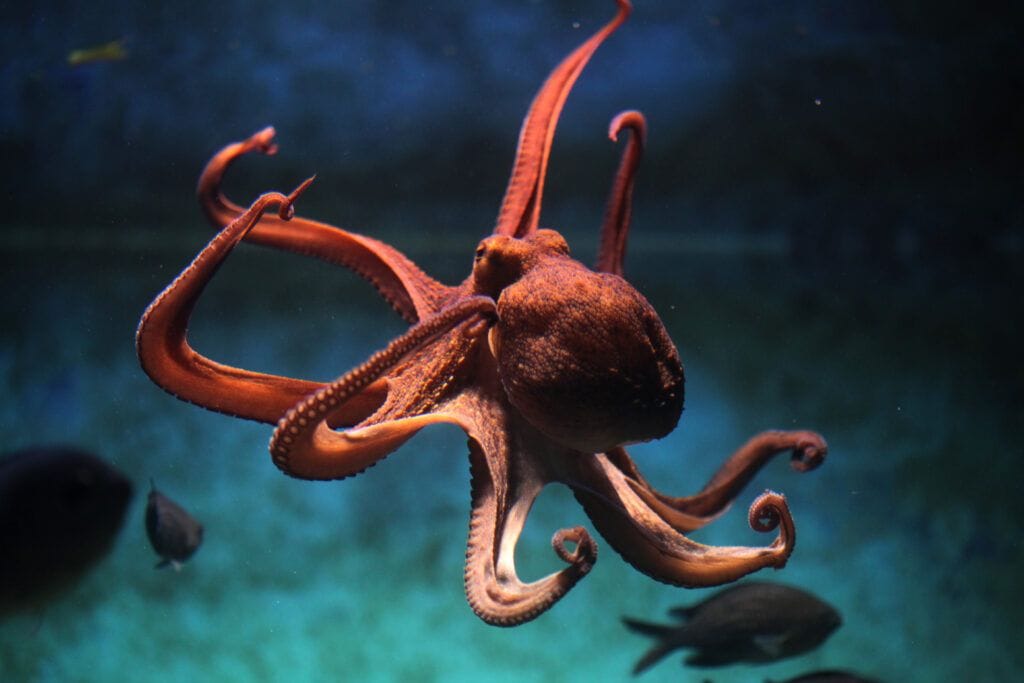
On July 23, 2026, Spanish seafood company Nueva Pescanova quietly withdrew its application for a port concession in Las Palmas, Gran Canaria, ending a five-year effort to build what would have been the world's first commercial octopus farm, and handing animal welfare campaigners one of their most significant victories in recent years. The project, first submitted to the Port Authority in May 2021 and made public through leaked planning documents in 2023, had been designed to produce around one million octopuses per year for human consumption, totaling approximately 3,000 tonnes annually and representing more than 10 percent of Spain's entire national octopus output. From the moment the documents became public, the reaction from scientists and animal welfare organizations was immediate and sustained. An international group of researchers described the project as ethically and ecologically unjustified. PETA supporters sent over 200,000 emails to Gran Canaria officials urging them to reject it. Compassion in World Farming, AnimaNaturalis, the Aquatic Life Institute, and Eurogroup for Animals maintained continuous pressure on regulators and policymakers throughout the five-year campaign.
The scientific objections were grounded in a growing body of research on octopus cognition and behavior. Octopuses are solitary, intelligent, and curious animals. They have demonstrated problem-solving abilities, the capacity to learn through observation, and clear signs of individual personality. They are also, crucially, deeply territorial and do not naturally exist in proximity to other octopuses, making intensive tank farming inherently incompatible with any meaningful standard of animal welfare. Nueva Pescanova's own withdrawal letter, seen by regional outlet Canarias Ahora, cited possible significant adverse effects identified in an environmental review, which triggered a requirement for a full ordinary environmental assessment, a much more rigorous process that can take years and ultimately block a project outright. The Port Authority will now archive the case file permanently, meaning any future attempt at the same site would have to restart the entire permitting process from zero. Elena Lara of Compassion in World Farming said the withdrawal marked the end of a years-long fight, and that octopuses are intelligent wild animals and not products to be caged in factory farms. Chile introduced legislation to prohibit octopus farming entirely in 2025, recognizing octopuses as sentient beings. The five-year campaign that ended on July 23rd is now a template for what sustained public and scientific pressure can accomplish.
Source:https://www.eurogroupforanimals.org/news/landmark-victory-plans-worlds-first-octopus-farm-withdrawn