
Plastic From Hemp Could Replace The Stuff In Your Water Bottle
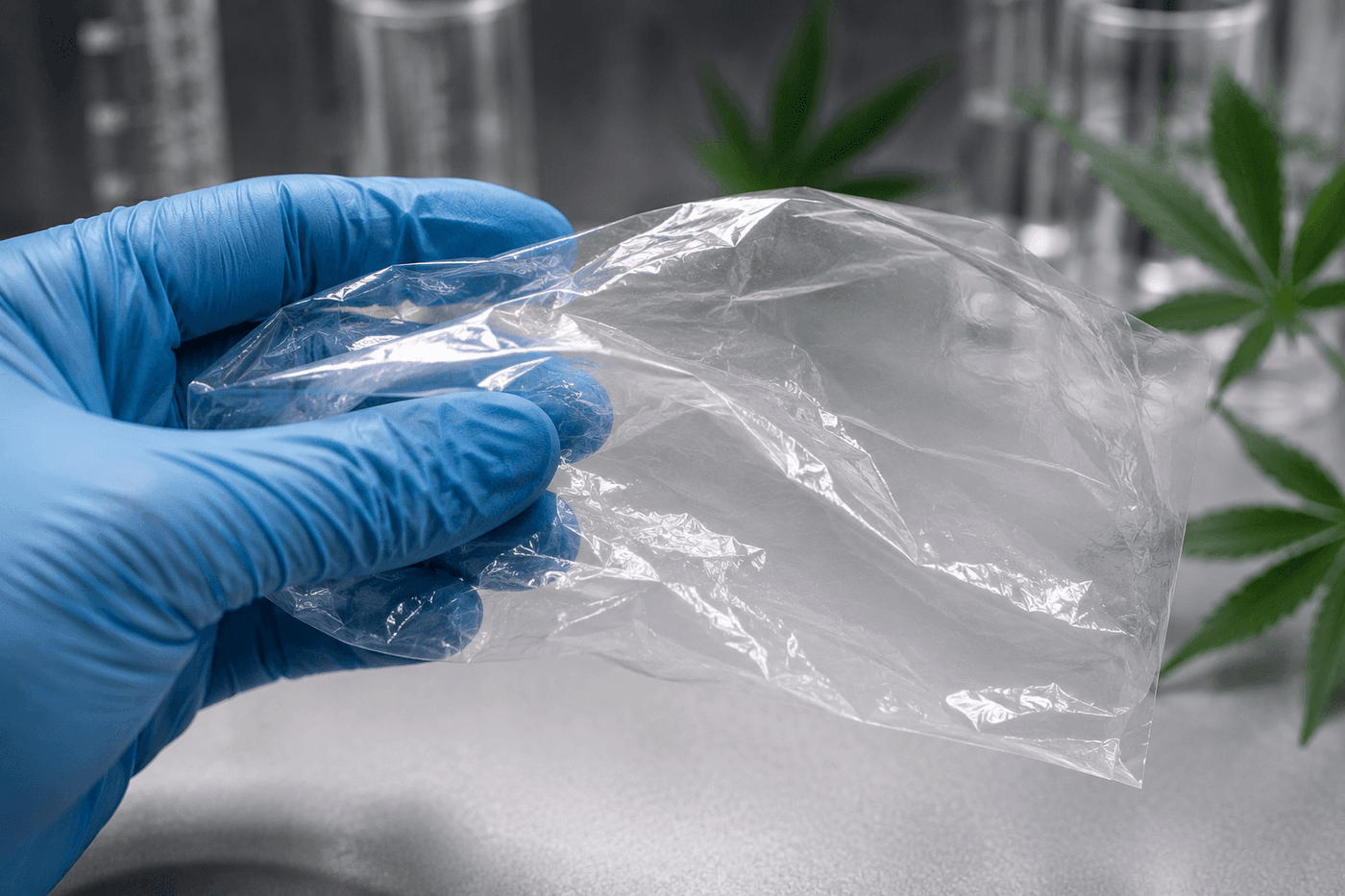
Researchers at the University of Connecticut and the University of Akron have developed a new plastic made almost entirely from hemp that matches the strength, heat resistance, and transparency of the petroleum-based plastic currently used in water bottles, food packaging, and medical devices, without any of the toxic chemicals found in conventional plastics. The material, published in the journal Chem Circularity, is made from cannabidiol extracted from hemp flowers and is 92 percent plant-based, making it one of the most bio-based high-performance plastics ever created. The research team replaced bisphenol-A, the chemical commonly used in polycarbonates and long linked to endocrine disruption and health concerns, with the hemp-derived compound, calling it a direct and safer replacement for one of plastic manufacturing's most controversial ingredients. One of the lead authors said the goal is to do with hemp what the oil industry did with petroleum: find a use for every part of the plant.
What makes the material especially promising is how it performs under real-world conditions. The hemp-based plastic can stretch to 1,600 percent of its original size without breaking, handles contact with boiling water without losing its shape or durability, and can be processed using the same conventional industrial equipment already in use at manufacturing facilities, meaning factories would not need to replace their machinery to adopt it. It can also be chemically recycled by breaking it back down into its original CBD compound, a circular quality that conventional PET plastics do not have. Scientists say the material is suitable for transparent films, coatings, packaging, and medical applications, and that its combination of properties is unusual even among first-generation bioplastics, which have historically struggled with brittleness, low heat tolerance, or narrow processing windows. The corresponding author said the hemp-based polycarbonate has been engineered to function as a genuine drop-in replacement for existing commercial plastics, not a compromise.
Source:https://phys.org/news/2026-04-hemp-based-thermoplastic-greener-alternative.html














